The Allure of Casinos
Casinos have long been venues of fascination, drawing millions with their vibrant lights, exciting sounds, and the promise of instant wealth. At the core of this attraction lies a psychological phenomenon known as operant conditioning, where the excitement of winning reinforces behavior. Each spin of a slot machine or deal of a card may lead to a moment of exhilaration, creating a desire to repeat the experience, often against the backdrop of the odds that favor the house. Many players will also seek out the best sportsbook bonuses to enhance their experience further.
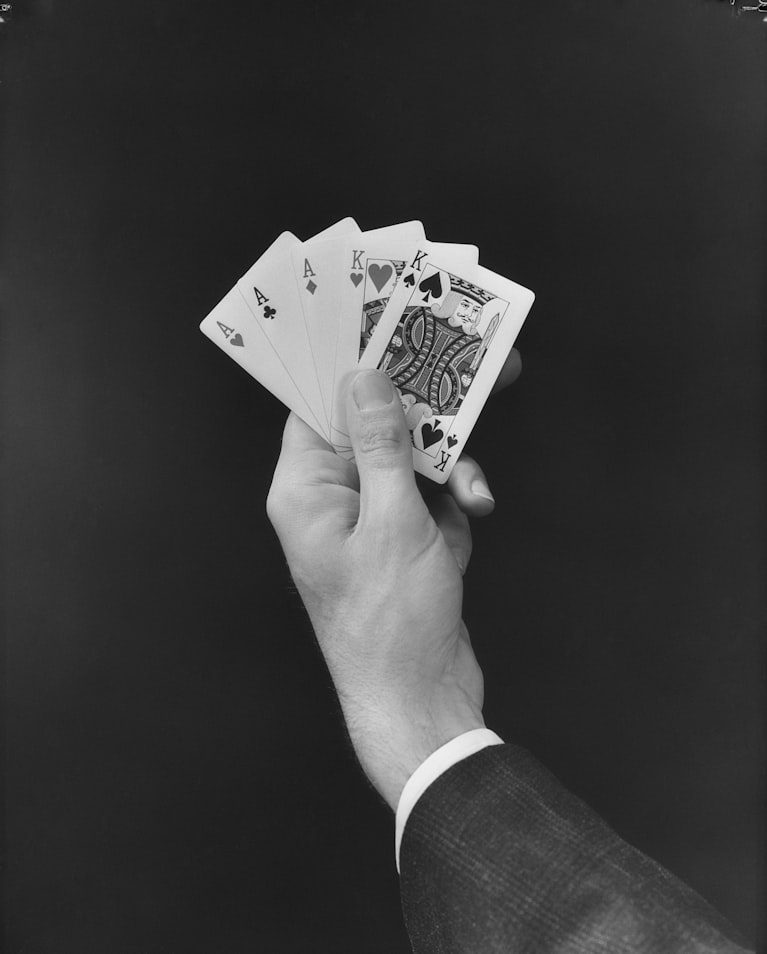
This repetitive cycle creates a strong emotional response, often overshadowing the rational understanding of probability. Players learn to associate positive feelings not just with wins but with the thrill of playing itself. This emotional connection is a key element in why many return to gamble, despite understanding the inherent risks involved.
The Role of Cognitive Biases
Cognitive biases play a significant role in how individuals perceive their chances of winning. The gambler’s fallacy, for example, leads players to believe that past events influence future outcomes. A player might think that after several losses, a win is ‘due’ — this misjudgment can result in increased bets and a greater willingness to chase losses.
Moreover, the illusion of control can make players believe they can influence outcomes based on their choices. This belief, even when faced with games of pure chance, boosts players’ confidence and their likelihood of participating, further intertwining psychology with casino dynamics.
The Impact of Environment on Decision Making
The architectural design and ambiance of casinos are strategically crafted to enhance the gaming experience. The absence of clocks and windows, soft lighting, and enticing sounds create a sensory environment that encourages prolonged engagement. This carefully curated atmosphere plays into the psychological need for escape and entertainment, making it easy for players to lose track of time and money.
This manipulation of environment also affects judgment and decision-making. Players often find it difficult to stick to budgets or to leave when they are experiencing losses. The combination of an immersive environment and psychological triggers can lead to impulsive decisions that prioritize immediate gratification over long-term financial responsibility.
Emotional Regulation and Gambling
Gambling can serve as a mechanism for emotional regulation, allowing individuals to temporarily escape from stress and anxiety. For some, the thrill of risk and chance provides a rush that alleviates feelings of sadness or frustration. This coping strategy, however, can lead to dangerous consequences, as reliance on gambling as an emotional crutch can spiral into addiction.
Understanding the motivations behind gambling behavior is essential for recognizing when it may be crossing the line into problematic territory. Players often struggle with the balance between enjoyment and the potential for harm, highlighting a crucial aspect of gambling psychology that warrants attention.
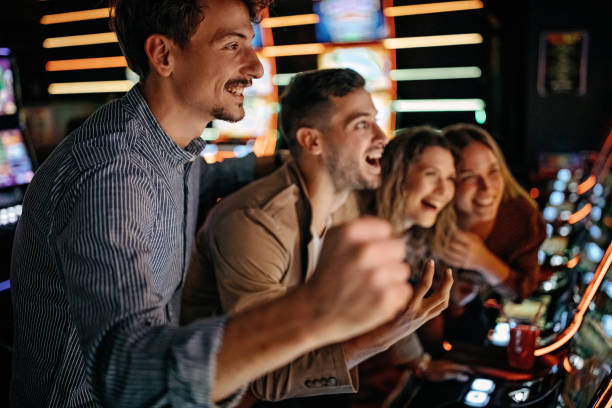
Engaging with Our Online Platform
For those eager to delve deeper into the world of casinos and gambling psychology, our website offers a wealth of resources and insights. With a focus on user experience and privacy, we aim to provide a safe platform for exploring various aspects of gambling, from strategies to psychological insights.
Whether you are a casual player or someone looking to understand the dynamics of casino behavior, our content is designed to enhance your experience. We encourage you to explore our offerings and engage with the community to foster a better understanding of the complexities behind winning at the casino.